







Search Results for: Gas Station Coffee
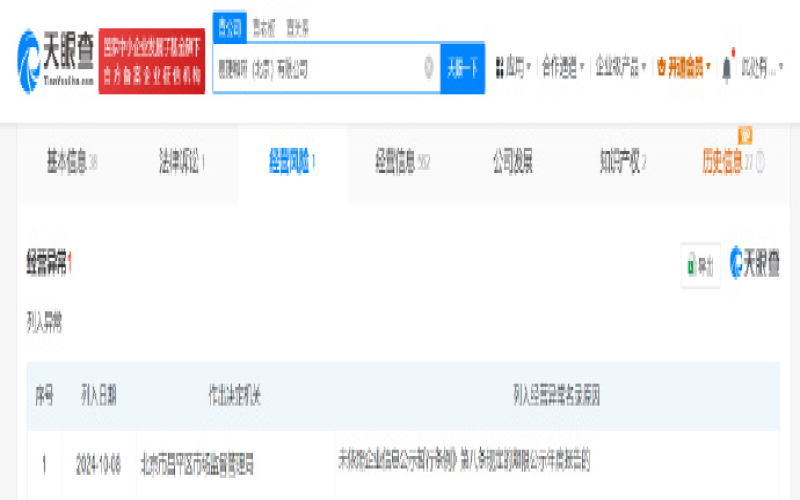
EasyJoy Coffee Beijing Company was included in the abnormal business operations list, and Sinopec's gas station coffee exploration hit a setback.
Tianyancha information shows that EasyJoy Coffee (Beijing) Co., Ltd. was included in the list of businesses with abnormal operations by the Changping District Market Supervision Bureau of Beijing for failing to publicly disclose its annual report on time. This company, wholly owned by Sinopec EasyJoy with a registered capital of 60 million yuan, was once an important vehicle for Sinopec's exploration of the coffee business in gas station scenarios. From launching the brand in 2019 in cooperation with Lian Coffee, to Lianxiang Business withdrawing in 2024 and Sinopec fully taking over, and then to reaching a strategic cooperation with Tims China, the development trajectory of EasyJoy Coffee reflects the opportunities and challenges in the gas station coffee track. At present, Sinopec has not yet responded to this matter. [more…]

Ethiopian Huakui Coffee Beans Guji Hambela Region Flavor Analysis and Pour-Over Parameters Tutorial
Ethiopia is a genetic treasure trove of coffee, and the Hambela micro-region in the Guji zone has risen to prominence on the world stage thanks to a sun-dried bean. This coffee, named "Huakui" by a Chinese importer, has won over countless coffee lovers with its intense strawberry and cream aromas. Every year, Front Street Coffee travels deep into the Buku Abel processing station to purchase the season's Huakui, dissecting the flavor code of this bean layer by layer, from variety and processing method to roasting and brewing. This article will systematically outline Huakui's regional background, varietal characteristics, and sun-drying process, and include a three-pour V60 hand-brewing tutorial from Front Street Coffee to help readers consistently reproduce Huakui's citrus acidity and berry sweetness. [more…]
Ethiopian Yirgacheffe Aricha Coffee Beans: TOH Champion Flavor Analysis and Pour-Over Parameter Guide
The Yirgacheffe region has long been famous for its bright floral and fruity notes, and Aricha is one of its most notable lots. This natural-process bean from the Adorsi processing station won first place in the natural category at the 2019 Africa TOH competition, with a cupping score as high as 91 points. Front Street Coffee uses a medium-light roast, striving to present its fermented wine aroma, ripe fruit sweetness, and creamy smooth finish. This article will guide you through Aricha's origin background, the history of the TOH competition, and share Front Street's roasting curve and V60 three-pour brewing parameters, helping you recreate this "fruit bomb"'s enchanting flavor at home. [more…]
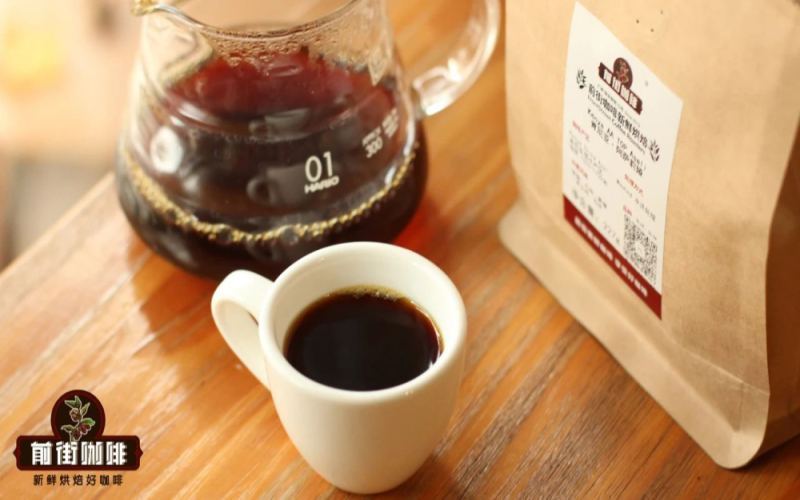
Flavor Comparison of Kenya's Three Major Specialty Regions: Coffee Characteristics of Thika, Nyeri, and Kirinyaga, and Analysis of SL28 and SL34 Varieties
Kenya is one of Africa's most representative coffee-producing countries, known for its bright berry-like acidity. As the specialty coffee wave advances, regional differences have drawn increasing attention. This article focuses on Thika, Nyeri, and Kirinyaga, the most renowned of Kenya's seven major producing regions, comparing their altitudes, varieties, processing methods, and cup profiles, and explains in detail the origins of the two classic varieties SL28 and SL34, as well as Kenya's signature K72 washed processing. Front Street Coffee also shares the roast curves, cupping reports, and brewing parameters for three beans—Asalia, Timani Maiden, and Mugaya—for coffee enthusiasts' reference. [more…]
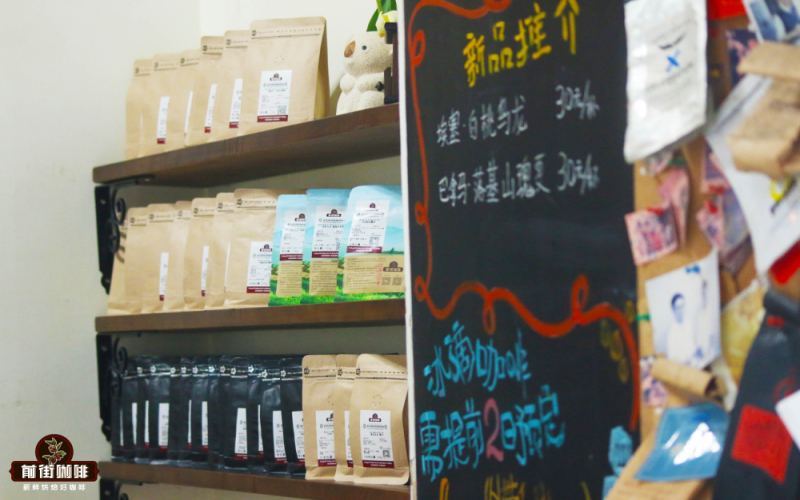
Resting and Blooming of Espresso Blend Coffee: Conceptual Differences, Time Windows, and Brewing Recommendations
Red wine requires decanting, while coffee has the concepts of resting and waking beans. After roasting, coffee beans trap carbon dioxide inside them, accounting for about 2% of their weight, and this gas needs time to slowly release. If freshly roasted beans are ground and brewed immediately, the gas pressure obstructs the exchange between hot water and coffee compounds, resulting in a dull flavor and even a dry, bitter sensation. Front Street Coffee recommends a resting period of 4 to 7 days after roasting; dark-roasted beans, being more porous and containing more gas, require slightly longer. At the same time, coffee aromas dissipate along with the carbon dioxide, so Front Street advises drinking the coffee within one month of roasting. This article will also use Indonesian Mandheling as an example to break down how the wet-hulled process gives it a rich, herbal flavor, and will include Front Street Golden Mandheling's brewing parameters. [more…]
2019 TOH Ethiopia Natural Group Champion: A Detailed Analysis of Specialty Beans from the Adorsi Processing Station in the Aricha Region
The 2019 TOH (Taste of Harvest) Ethiopia Natural Group national champion was won by a Yirgacheffe submitted by the Adorsi processing plant, with a cupping score as high as 91.38 points. The processing plant is located in the Aricha production area, at an altitude of 1,950-2,100 meters. The combination of red volcanic soil and the ancient native Heirloom variety, together with hand-selected 17-18 mesh green beans and a precise anaerobic fermentation process, gives this coffee its outstanding cup performance. Front Street Coffee provides you with a detailed introduction to this champion bean's origin background, competition journey, and flavor characteristics, and shares its richly layered flavor profile of strawberry, berries, guava, brandy, and liqueur chocolate, as well as the changes in acidity and sweet aftertaste after the coffee cools. [more…]

Why Does Rwandan Coffee Earn a Place in Starbucks Reserve? A Panoramic Analysis from Growing Region and Variety to Washed Processing
Rwanda, known as the "Land of a Thousand Hills," enjoys superior conditions such as high altitude, volcanic soil, and abundant sunlight. Its coffee is celebrated for its fruity sweetness, floral aromas, and a finish reminiscent of black tea, with a flavor profile more balanced than Kenya's. Why does Starbucks Reserve favor Rwanda? Drawing on Front Street Coffee's cupping experience, this article examines Rwanda's growing environment, main producing regions, the industry's transformation during the colonial period, its Bourbon-dominant variety structure, and how washed processing became the key to a leap in quality. It also includes the complete profile of Front Street's Rwanda Gaseke coffee beans, roasting curves, cupping notes, and brewing parameters—ideal reading for enthusiasts eager to deepen their understanding of African specialty coffee. [more…]

Analysis of the Definition of Single-Origin Coffee Beans and a Brewing Log of Costa Rica Mirazu Estate Raisin Honey-Process Geisha Blend
How exactly are single-origin coffee beans defined? This article begins with Front Street Coffee's Geisha blend, sorting out the naming logic and origin awareness of single-origin coffee, and takes a deep dive into Mirazu Estate in the Tarrazú region of Costa Rica, analyzing the composition of its multi-variety blend of Geisha, ET47, SL28, and Maico, as well as the processing details of the raisin honey method. The estate owner Esteban Sanches's formal academic background and experimental spirit give this bean both floral notes and berry sweetness. The article also fully presents Front Street Coffee's roasting curve, cupping report, and V60 brewing parameters, providing coffee enthusiasts with a full-process reference from green bean understanding to extraction execution. [more…]
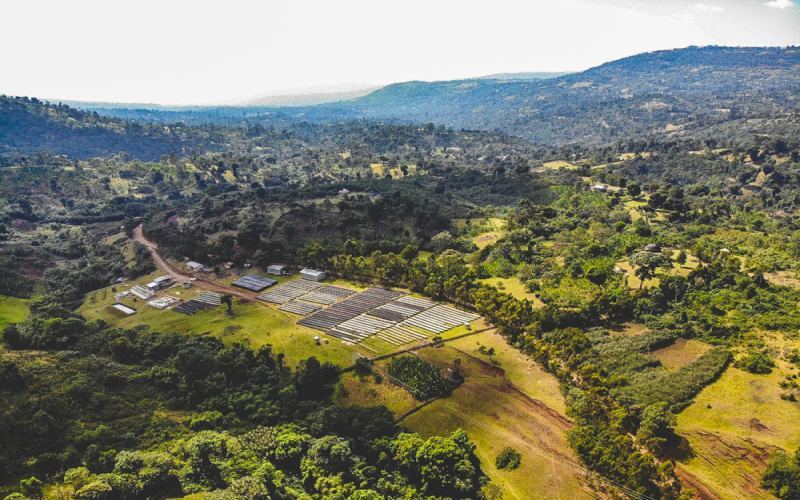
Flavor Analysis of Ethiopia Sidamo Hambela Region: The Origins and Version Evolution of Sun-Dried Flower Queen Coffee Beans
Since its introduction in 2017, Geisha coffee beans have remained popular, but many people are still unclear about the origin of its name and its producing region background. Starting from the terroir conditions of Ethiopia's Sidamo and Guji regions, this article sorts out the administrative affiliation and geographical characteristics of the Hambela sub-region, explains how the champion batch of the 2017 TOH green bean competition came to be named Geisha, and clarifies that only the natural-process batch from the Buku Abel processing station deserves this title. It also compiles the roasting parameters, cupping flavors, and brewing suggestions for Front Street Coffee Geisha 8.0, and reviews the flavor differences among Geisha versions over the years and the reasons behind them. [more…]
Pour-Over Beginner's Guide: Yirgacheffe Natural Red Cherry Project Flavor Analysis and Brewing Key Points
Yirgacheffe is the signature region for specialty coffee in Ethiopia, while the Red Cherry Project improves coffee bean quality from the source. This article is aimed at pour-over beginners and systematically introduces the origin terroir, processing methods, roasting approach, and brewing parameters of two G1-grade coffee beans: Front Street Yirgacheffe Natural Red Cherry and Red Honey Red Cherry. It also compares the effects of the one-pour method and the three-stage pouring method on flavor. Whether you are a newcomer just getting into specialty coffee or a veteran looking for an everyday staple, you can find clear, practical reference information here and understand the flavor differences brought by natural and red honey processing. [more…]
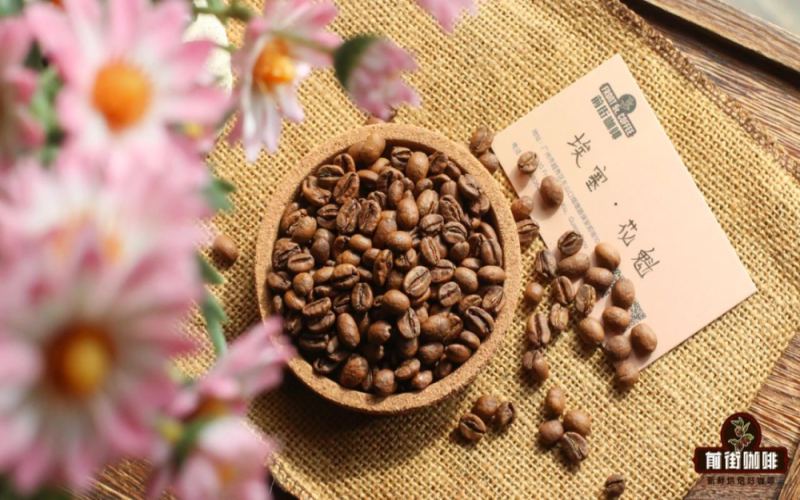
Ethiopia Guji Hambela Huakui Coffee: A Full Analysis of Origin Environment, Processing Method, and Brewing Flavor
Huakui is a classic Ethiopian specialty bean that many coffee enthusiasts encounter when first getting into coffee, produced at the Buku Abel processing station in Hambela, Guji region. This article will systematically walk through Huakui's growing environment, whole-ripe cherry picking and sun-dried processing details, analyze its varietal characteristics and flavor performance, and share specific information on Front Street Coffee's sun-dried Huakui coffee beans along with brewing suggestions for pour-over and drip bags. Whether you are a beginner just getting into specialty coffee or a seasoned drinker wanting to understand the source of Huakui's flavor, you will gain practical knowledge about the region and brewing reference from this article. [more…]
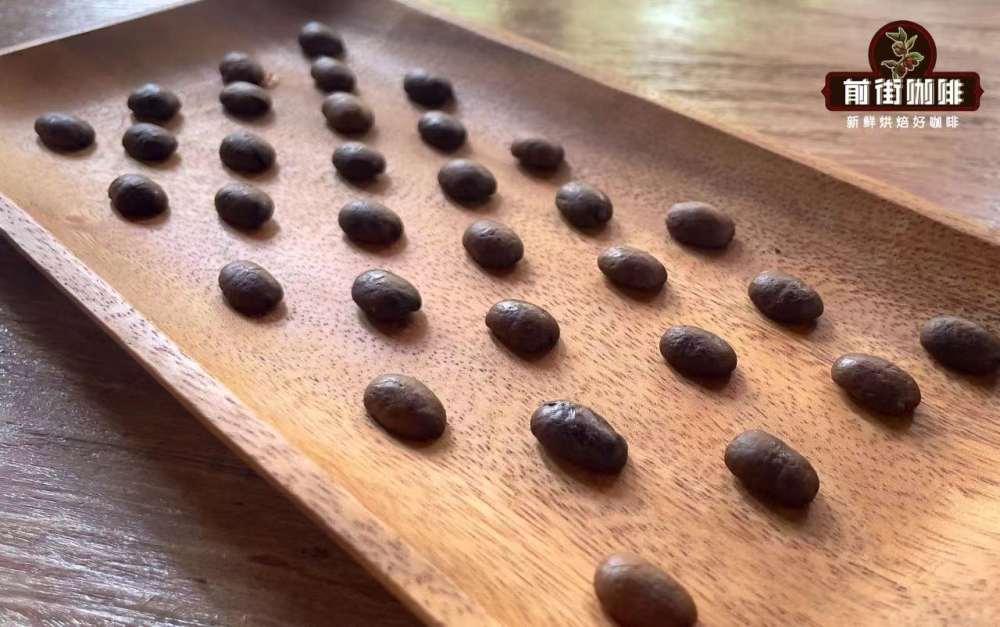
Coffee Flavor Window | What Is Coffee Resting? Do Espresso Blends and Pour-Over Single-Origin Beans All Need Resting? How Long Is the Resting Period for Golden Mandheling?
Many friends who have drunk red wine should be all too familiar with one step in wine tasting: decanting. After a period of decanting, the astringency of the tannins weakens slightly, and the sweet and sour notes in the red wine become more lively. Drinking coffee is actually quite similar to drinking red wine—red wine needs decanting, while coffee beans need resting. [more…]
Front Street Sidama Bensa Bombe Gugu N酵素 Honey Process Coffee Beans Review and Detailed Origin Knowledge
Ethiopia, as the birthplace of Arabica coffee, is home to numerous distinctive growing regions, and Sidamo is one of the most notable among them. This article focuses on the Sidamo Bensa Bongbeguo Guoen Enzyme Honey Process coffee beans launched by Front Street Coffee, providing a systematic overview from origin terroir and processing methods to flavor performance. Bensa Town belongs to the Sidamo growing region and is also included in the Red Cherry Project, and its A.D. processing station enjoys a strong reputation for quality control. These beans use a honey process combined with enzyme fermentation, presenting layers of white flowers, wild ginger flowers, peach, and candied fruit. The article will also introduce the principles of carbonic maceration processing to help readers understand the evolution of modern coffee processing techniques, and will include product information and the sharing philosophy of the Front Street Coffee brand. [more…]
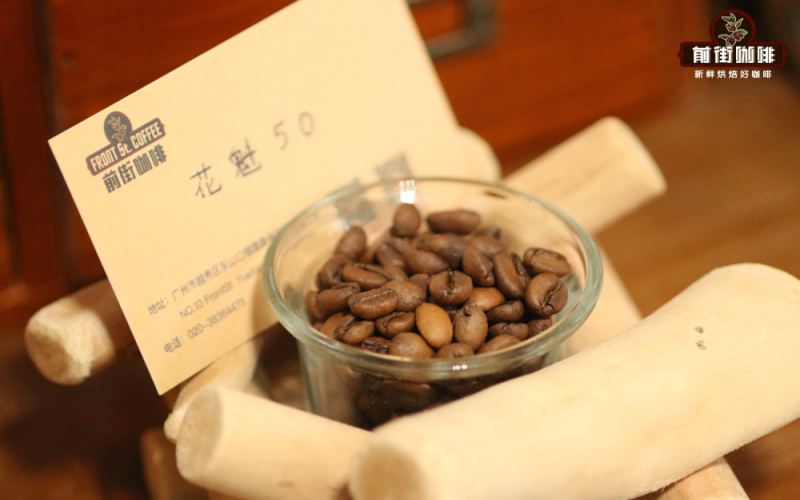
Ethiopian Huakui Coffee Flavor Evolution and Pour-Over Parameters: A Comprehensive Comparison from 5.0 to Small-Bean Huakui
The 2021 new-crop Huakui 5.0 coffee beans arrived at port as scheduled, and Front Street Coffee completed roasting and cupping at the first opportunity, then compared them in brewing with the much-loved Small-Bean Huakui. This article provides a detailed analysis of the flavor differences between the two beans, pour-over parameters, traces the origin of the name Huakui and the natural processing method, reviews the flavor evolution of Huakui versions 2.0 through 5.0, and includes the complete roasting records of Front Street’s five Sidamo Huakui lots. Whether you want to understand the past and present of Huakui or are looking for a reliable brewing plan, this article offers thorough and practical reference. [more…]

What is Huakui 6.0 Coffee? A Comprehensive Analysis of Its Origin, Variety, Processing Method, Flavor, and Mouthfeel
Huakui coffee has remained a hot topic in the specialty coffee circle in recent years, yet many people still have only a partial understanding of it. In fact, Huakui specifically refers to the sun-dried coffee beans produced by the Buku Abel processing station in Hambela, Guji region, Ethiopia—not all sun-dried beans from Sidamo or Guji can bear this name. This article will introduce the origin of the name Huakui, the traceability of its producing region, varietal characteristics, processing methods, and brewing suggestions one by one. It will also discuss the logic behind the version divisions from Huakui 2.0 to 6.0, as well as Front Street Coffee's roasting and brewing insights on this bean. Whether you are just getting to know Huakui or want to delve deeper into its terroir code, this article can give you clear answers. [more…]
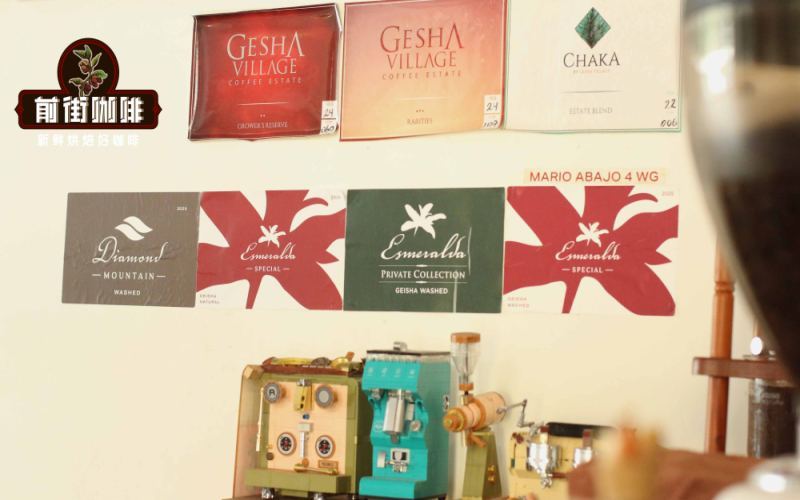
Panama Boquete Honey-Processed Geisha Coffee Beans: A Complete Analysis from Terroir to V60 Pour-Over Parameters
Panama Geisha has traditionally been dominated by natural or washed processing—the former emphasizing berry notes, the latter highlighting floral aromas and citrus acidity. But this article introduces a rarer honey-processed Geisha—from Panama's Boquete region, sourced by Front Street Coffee. The article will walk you through Boquete's high-altitude volcanic terroir, the origins and principles of honey processing, the rise to fame of the Geisha variety, and Front Street's roasting curve, cupping data, and V60 pulse-pouring recipe for this bean. Whether you want to understand the sweetness expression of honey-processed Geisha or need a set of reference pour-over parameters, you'll find the corresponding content in this article. [more…]
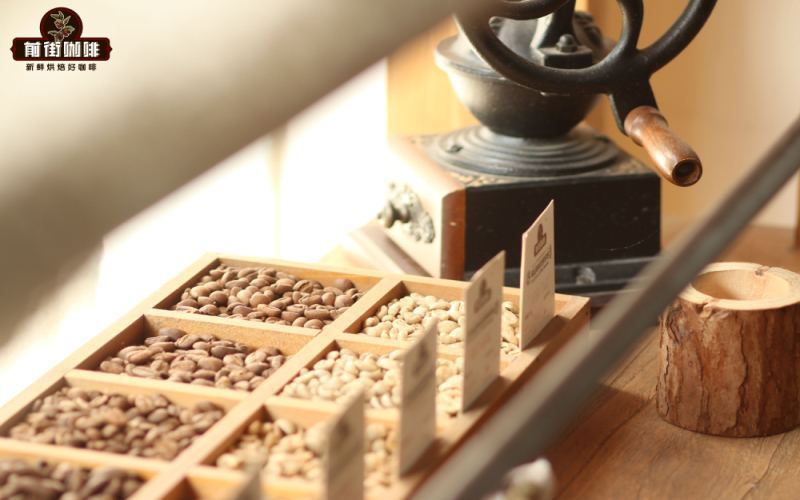
Yirgacheffe Coffee Bean Buying Guide: A Full Analysis of Regional Characteristics, Processing Method Differences, and Flavor Profiles
Yirgacheffe is one of Ethiopia's most representative specialty coffee regions, known for its delicate floral aromas and citrusy acidity. Faced with the bewildering array of washing station names and processing methods on the market, many coffee lovers often don't know where to start. Drawing on Front Street Coffee's experience, this article sorts out the history of the Yirgacheffe region, the flavor differences between washed and natural processing methods, and the taste profiles of specific beans such as Gutinguting, Red Cherry, and Dorothy, while also offering Front Street's brewing parameter suggestions to help readers systematically understand how to choose a Yirgacheffe coffee bean that suits them. [more…]
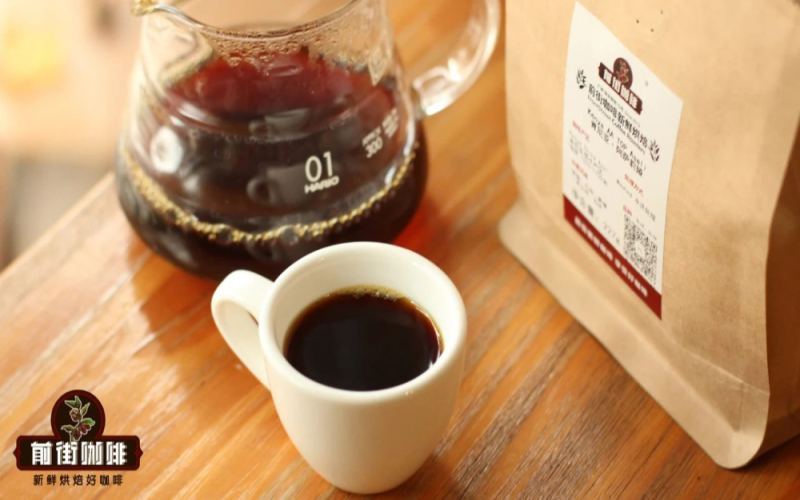
A Complete Guide to Kenyan Coffee Beans: Regions, Varieties, K72 Washed Processing, Flavor Profile, and Brewing Parameters
Kenyan coffee has always been famous for its full-bodied juiciness and bright acidity, but many people mistakenly believe that only a small-tomato note represents Kenyan flavor. This article provides a comprehensive overview of the core knowledge of Kenyan coffee, from the growing environment, auction trading system, and green bean grading, to the characteristics of the SL28 and SL34 varieties, the K72 washed processing method, and the six major producing regions including Nyeri and Kirinyaga. At the same time, Front Street Coffee uses two Kenyan AB beans to compare roasting, cupping, and brewing, guiding you through the flavor differences brought by different altitudes and producing regions, as well as grinding and brewing recommendations for Kenyan coffee. [more…]
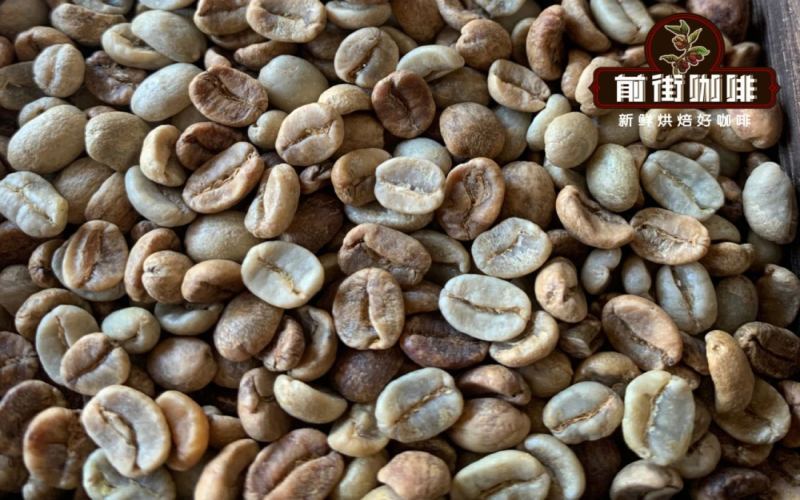
Costa Rica Geisha Double Estate Comparison: Flavor Stories and Variety Characteristics of Little Candle and Mirazu
Geisha originated in Ethiopia, rose to prominence in Panama, and today the high-altitude volcanic regions of Costa Rica also produce Geisha with a distinctive character. Front Street Coffee is bringing two beans this time: a washed Geisha from La Candelilla Estate and a Geisha blend from Mirazu Estate. The former is known for its jasmine fragrance, citric acidity, and honey green tea finish, while the latter presents raisin sweetness, strawberry gummy, and nutty creamy notes. Both beans come from the Tarrazú region, yet each has its own charm due to differences in estate microclimate, variety composition, and processing method. The following sections will go through the estate backgrounds, variety origins, green bean processing methods, roasting curves, and brewing comparisons one by one, helping coffee lovers find the cup they prefer. [more…]
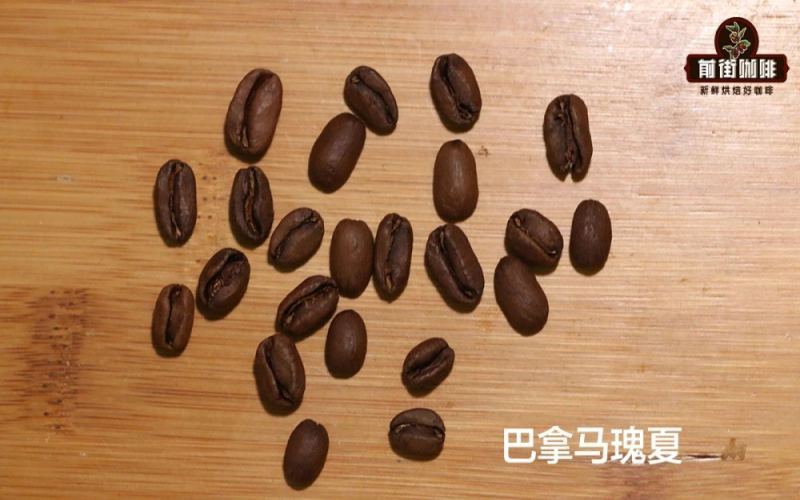
Ethiopia Gesha Village Red Label Geisha: Origin Story, Variety Characteristics, and Brewing Analysis
Geisha coffee made Panama famous worldwide, yet the origin of it all traces back to the primitive forests of Ethiopia. Located in the Bench Maji region, Gesha Village Coffee Estate was founded by documentary filmmaker Adam Overton and his photographer wife Rachel Samuel, who collected seeds from wild Geisha forests and ultimately built this 500-hectare large farm planted exclusively with the Geisha variety. The estate divides its land into 8 blocks, selecting the most suitable variety for each based on microclimate differences. The Red Label Geisha produced here undergoes natural processing, featuring prominent sweetness. Front Street Coffee will this time provide a detailed interpretation centered on the historical origins of Gesha Village Coffee Estate, the differences among its three main varieties, and Front Street's Red Label Geisha roasting and brewing scheme. [more…]